
How to Maintain Oral Hygiene After Dental Implants
Dental implants have revolutionized modern dentistry, offering a permanent solution for missing teeth. However, getting an implant is just the beginning of your journey. Proper oral hygiene after dental implant surgery is crucial for ensuring the longevity and success of your investment.
Many patients believe that once they receive their implants, they can treat them like natural teeth without extra care. While implants are durable, they require specific maintenance routines to prevent complications and ensure they last a lifetime.
This comprehensive guide will walk you through essential oral hygiene practices after dental implants, helping you protect your smile for years to come.
Understanding Dental Implants and Oral Care
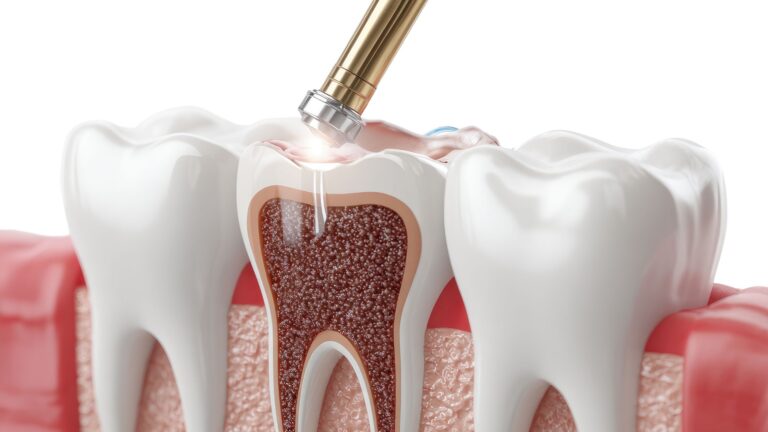
Dental implants consist of a titanium post surgically placed into your jawbone, acting as an artificial tooth root. While implants cannot develop cavities, the surrounding gum tissue and bone remain vulnerable to infection and disease.
Poor oral hygiene can lead to peri-implantitis, a serious condition that causes inflammation and bone loss around the implant. This is why maintaining excellent oral hygiene is non-negotiable for implant success.
Proper Brushing Techniques After Dental Implants
Brushing remains the cornerstone of oral hygiene, but your technique matters more than ever with implants.
Use a soft-bristled toothbrush to avoid scratching the implant surface or irritating sensitive gum tissue. Electric toothbrushes with pressure sensors are excellent choices as they provide thorough cleaning without excessive force.
Brush at least twice daily, spending two minutes each session. Pay special attention to the gum line where the implant meets your tissue, as this area is prone to plaque buildup.
Hold your brush at a 45-degree angle and use gentle circular motions. Avoid aggressive scrubbing, which can damage the delicate tissues healing around your implant.
Flossing Techniques for Implant Care
Flossing around dental implants requires a gentler approach than with natural teeth. Traditional floss can be used, but specialized products often work better.
Unwaxed tape or implant-specific floss glides more easily around the implant without fraying. Water flossers are also highly effective, using a pressurized stream to remove debris without touching the implant directly.
Slide the floss gently beneath the gum line around each implant. Avoid snapping or forcing the floss, which could irritate healing tissues.
Make flossing a daily habit, preferably before bedtime, to remove food particles and bacteria that accumulate throughout the day.
The Importance of Regular Dental Checkups
Professional monitoring is essential for implant longevity. Schedule dental checkups every six months, or more frequently if your dentist recommends.
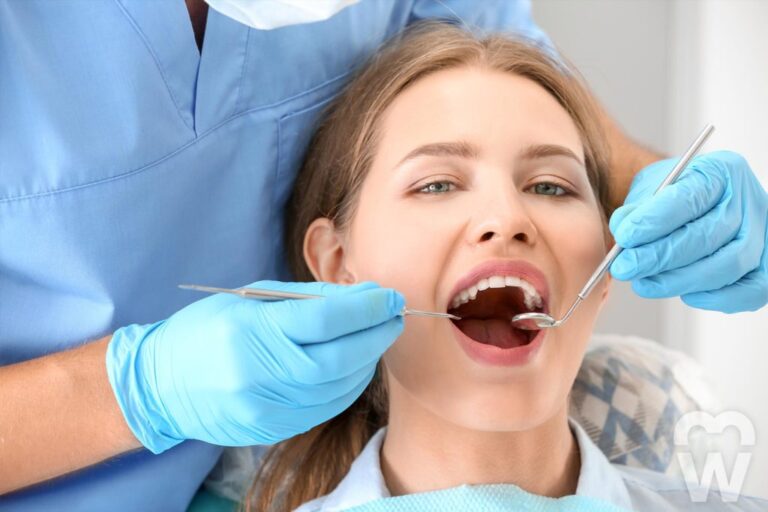
During these visits, your dentist will examine the implant, check for signs of infection, and assess bone health through X-rays. Early detection of problems significantly improves treatment outcomes.
If you’ve received treatment from the Best Dental Implant in Lucknow or any reputable clinic, they’ll likely establish a customized follow-up schedule based on your specific needs.
Regular checkups also allow your dentist to remove hardened plaque and tartar that home care cannot address.
Foods to Avoid After Implant Treatment
Dietary choices significantly impact implant healing and long-term success.
Immediately after surgery, avoid hard, crunchy, or sticky foods that could disturb the surgical site. This includes nuts, popcorn, hard candies, and chewy caramels.
Extremely hot or cold foods can cause discomfort during the healing phase. Stick to lukewarm, soft foods like yogurt, mashed potatoes, and smoothies for the first few weeks.
Even after healing, be cautious with hard foods that could damage the implant crown. Chewing ice, hard bread crusts, or using your teeth as tools can cause fractures or loosening.
Sugary and acidic foods should also be limited, as they promote bacterial growth that can lead to gum disease around implants.
Recognizing Signs of Infection or Complications
Being vigilant about potential problems helps you seek timely treatment.
Watch for persistent pain or discomfort around the implant site that doesn’t improve with time. Some discomfort is normal initially, but increasing or severe pain warrants immediate attention.
Swelling, redness, or bleeding gums around the implant are warning signs of infection. A bad taste in your mouth or pus discharge indicates a serious problem requiring urgent care.
Implant mobility is another red flag. Your implant should feel as stable as a natural tooth. Any movement suggests integration failure or bone loss.
If you notice any of these symptoms, contact your dental provider immediately. Just as timely intervention is crucial for implant complications, early treatment matters for other dental issues like those requiring Root Canal Treatment in Lucknow or elsewhere.
Importance of Professional Cleaning
Home care alone isn’t sufficient for optimal implant health. Professional cleanings every six months are essential.
Dental hygienists use specialized instruments designed for implant surfaces, removing plaque and tartar without scratching or damaging the implant material.
These cleanings also address areas that are difficult to reach with home care, preventing bacterial accumulation in pockets around the implant.
Professional cleanings help maintain healthy gum tissue, which is crucial for supporting your implant structure.
Long-Term Care Tips for Implant Durability
Protecting your implants requires lifelong commitment to oral hygiene.
Use antimicrobial mouthwash to reduce bacterial load in your mouth. Choose alcohol-free options to avoid dry mouth, which can increase decay risk in remaining natural teeth.
Avoid smoking and tobacco products, which significantly increase implant failure rates by restricting blood flow and impairing healing.
If you grind your teeth at night, wear a custom nightguard to protect both implants and natural teeth from excessive force.
Stay hydrated throughout the day, as saliva naturally cleanses your mouth and provides protective minerals.
Conclusion
Maintaining oral hygiene after dental implants isn’t complicated, but it does require consistency and proper technique. By following these guidelines—brushing correctly, flossing daily, attending regular checkups, watching your diet, and recognizing warning signs—you’ll maximize your implant’s lifespan.
Remember that dental implants represent a significant investment in your health and confidence. Treating them with care ensures they serve you well for decades. When in doubt about any aspect of your implant care, always consult with your dental professional for personalized guidance.